2 hr
Grand Denali Scenic Flight with Glacier Landing Option
- Entry ticket
- Mobile voucher
- Valid same day
- Free cancellation
Alaska Helicopter Tour to Glacier — Landing Experiences
Touch down on ancient ice fields, where rotors settle and silence arrives.
Compare fares, pick the fit — all bookings are mobile-voucher and eligible for free cancellation where shown.
2 hr
1 hr
2 hr 15 min
Choosing the right alaska helicopter tour to glacier path depends on whether you seek simple mountain vistas or an immersive experience on the ice. Understanding these distinct flight categories ensures your aerial adventure aligns with your comfort and exploration goals.
|
Top pick Scenic Landing Glacier Access |
Adventure Flight Extended Landings | |
|---|---|---|
| Activity Focus | Aerial sightseeing and brief ice landing | Integrated wilderness activities like dogsledding |
| Landing Experience | 15 to 30 minutes on glacier | 30 to 60 minutes with guided terrain exploration |
| Duration | 1.5 to 2 hours total | 3 to 4 hours total |
| Physical Intensity | Low; accessible to most visitors | Moderate; requires walking on uneven ice surfaces |
| Best for | First-timers seeking classic views | Active travelers desiring extended immersion |
| See tickets & prices |
Verdict: For the best alaska helicopter tour to glacier tickets, select the scenic option for panoramic views or the adventure flight if you prefer additional time on the ice.
Worth it for glacier access seekers
An alaska helicopter tour to glacier delivers what ground-based excursions cannot: direct access to vast ice fields, crevasse systems, and untouched snowfields miles from any road. Tours like the Knik Glacier Helicopter Tour with Ice Landing and Juneau Glacier Helicopter Landing Experience put you on ancient ice within minutes, bypassing days of technical climbing. Prices reflect fuel costs, pilot expertise, and limited passenger capacity—typically $300–$600 per person for 60–90 minute flights with 20–30 minutes on the glacier itself. The value equation tilts strongly in favor of anyone who wants to stand on a glacier without mountaineering skills or multi-day commitments. Combination options like the Glacier Helicopter & Dogsled Adventure layer cultural experiences onto the aerial access. For visitors prioritizing wildlife spotting or coastal scenery over glacial landings, fixed-wing flightseeing costs half as much. The helicopter glacier tour excels at one thing: putting you where you otherwise cannot go.
Bottom line: If standing on glacier ice is the goal, helicopter tours remain the only practical civilian route to remote icefalls and névé fields across Alaska.
They complement each other; most visitors who do both call the alaska helicopter tour to glacier the more immersive experience for actually stepping onto the ice. Those seeking a broader aerial perspective often prefer the scenic plane tour as a fantastic alternative.
|
Top pick Heli Glacier Landing |
Scenic Plane Flight | |
|---|---|---|
| Primary Activity | Landing and walking on glacier | |
| Terrain access | Accesses remote ice fields | |
| Movement | Hovering and low-level flight | |
| Noise level | Moderate internal cabin noise | |
| Typical duration | 1.5–3 hours | |
| Typical group size | Small private or semi-private | |
| Who it suits | Adventure seekers and photographers | |
| See tickets & prices |
Verdict: Choose the alaska helicopter tour to glacier if you want to touch the ice, or select a scenic plane tour for a more affordable, expansive view of the surrounding mountain ranges.
Hand-picked experiences loved by thousands of travelers
2.5 hours
Free Cancellation
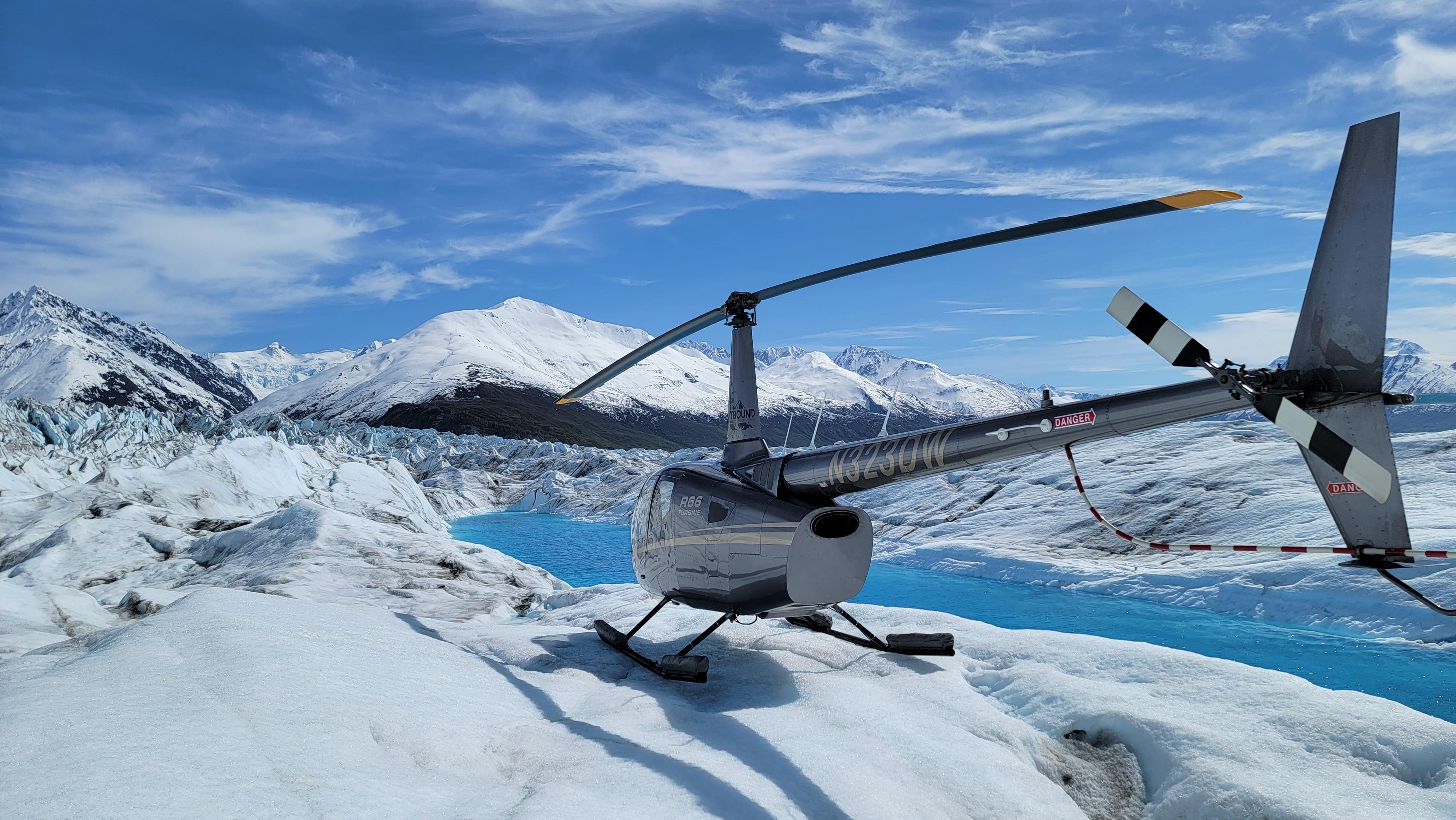
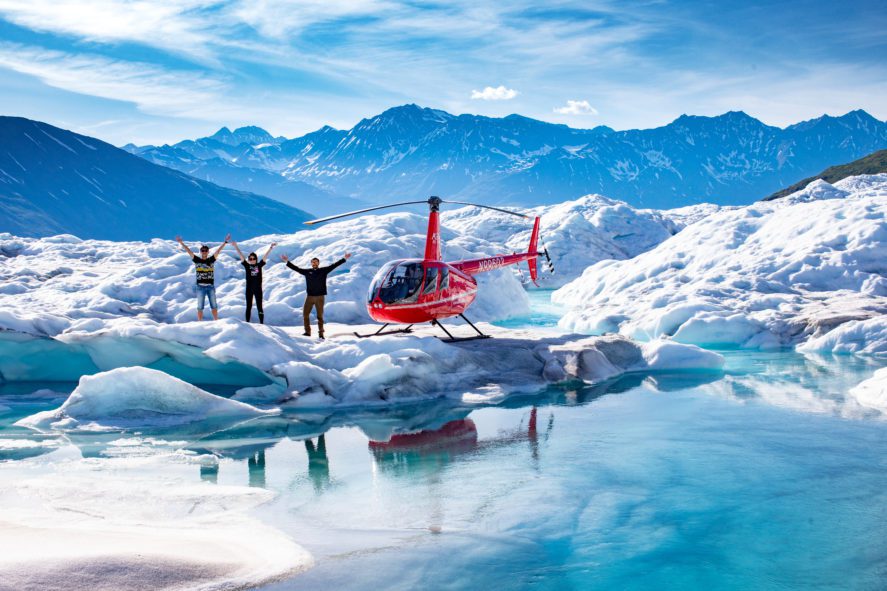
Fly over ice fields, land on a glacier, and walk across ancient ice with your pilot guide
1.5 - 2 hours
Free Cancellation
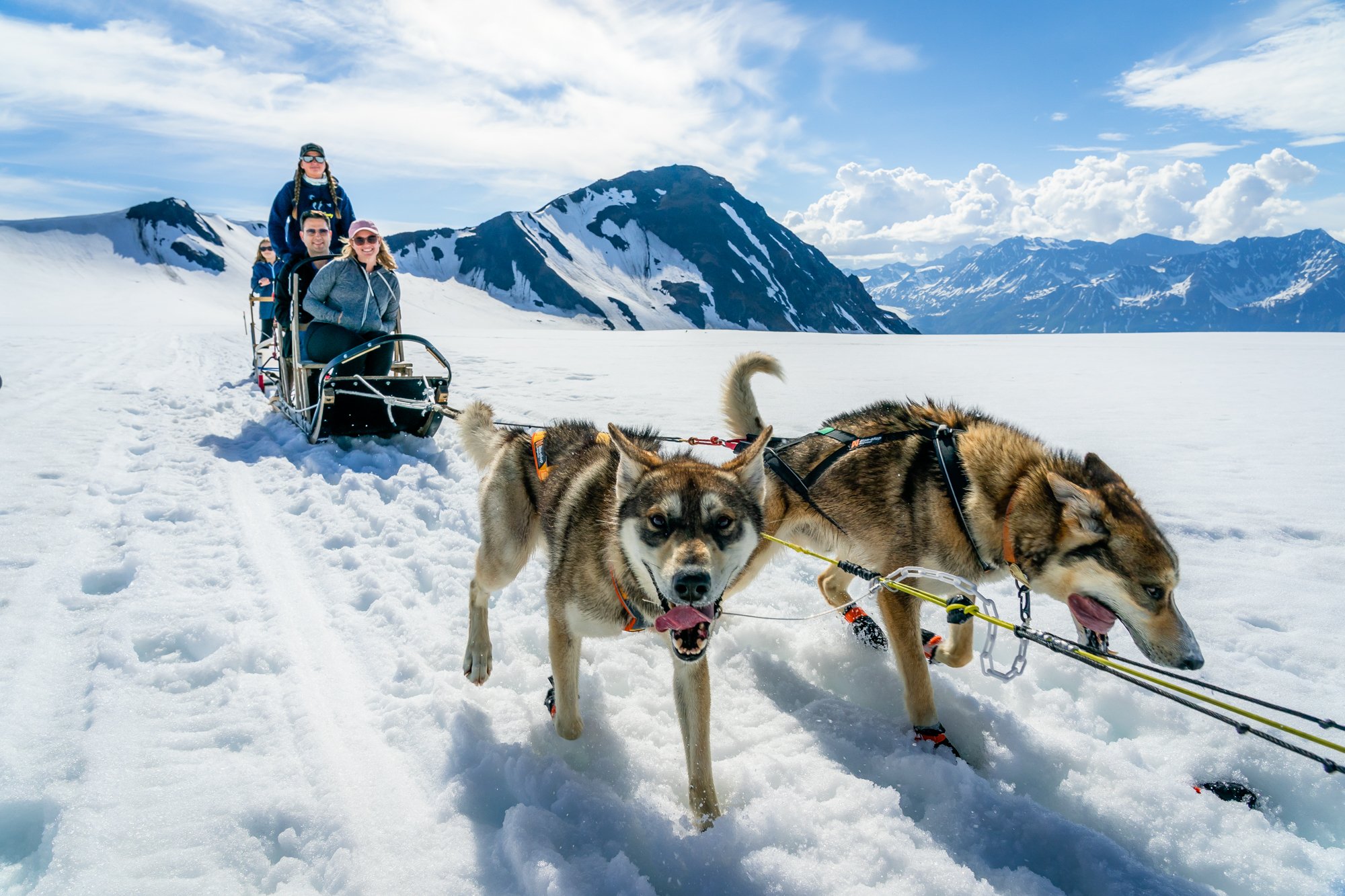
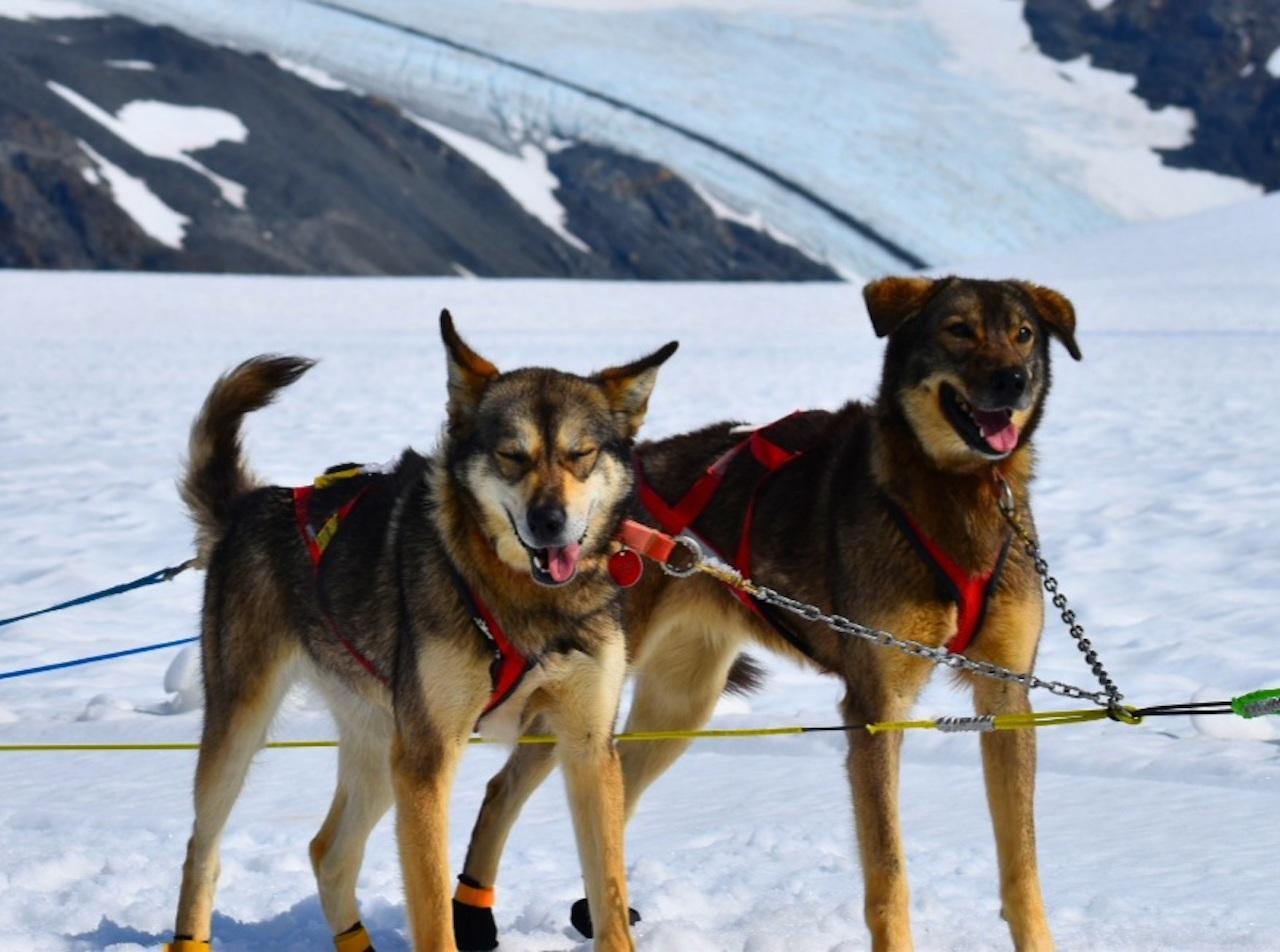
Fly over Alaska's glaciers, then mush a champion sled dog team across a remote snowfield for an hour.
2 hours
Free Cancellation
Soar above Alaska's wilderness and touch down three times on remote glacier terrain with expert guides
1.5 hours
Free Cancellation
Soar above coastal Alaska, land on Godwin Glacier, and mush your own team of racing huskies
105 minutes
Free Cancellation
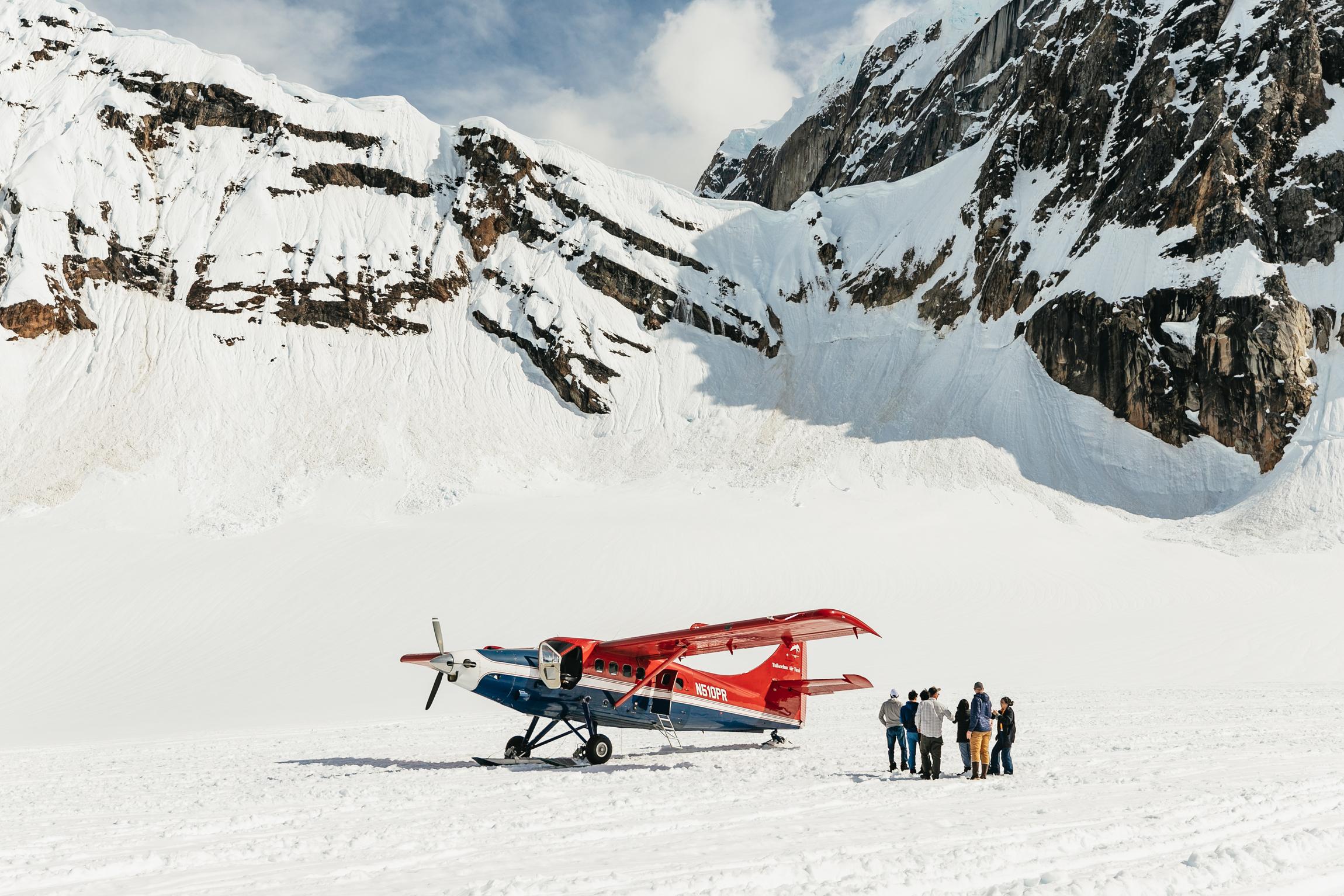
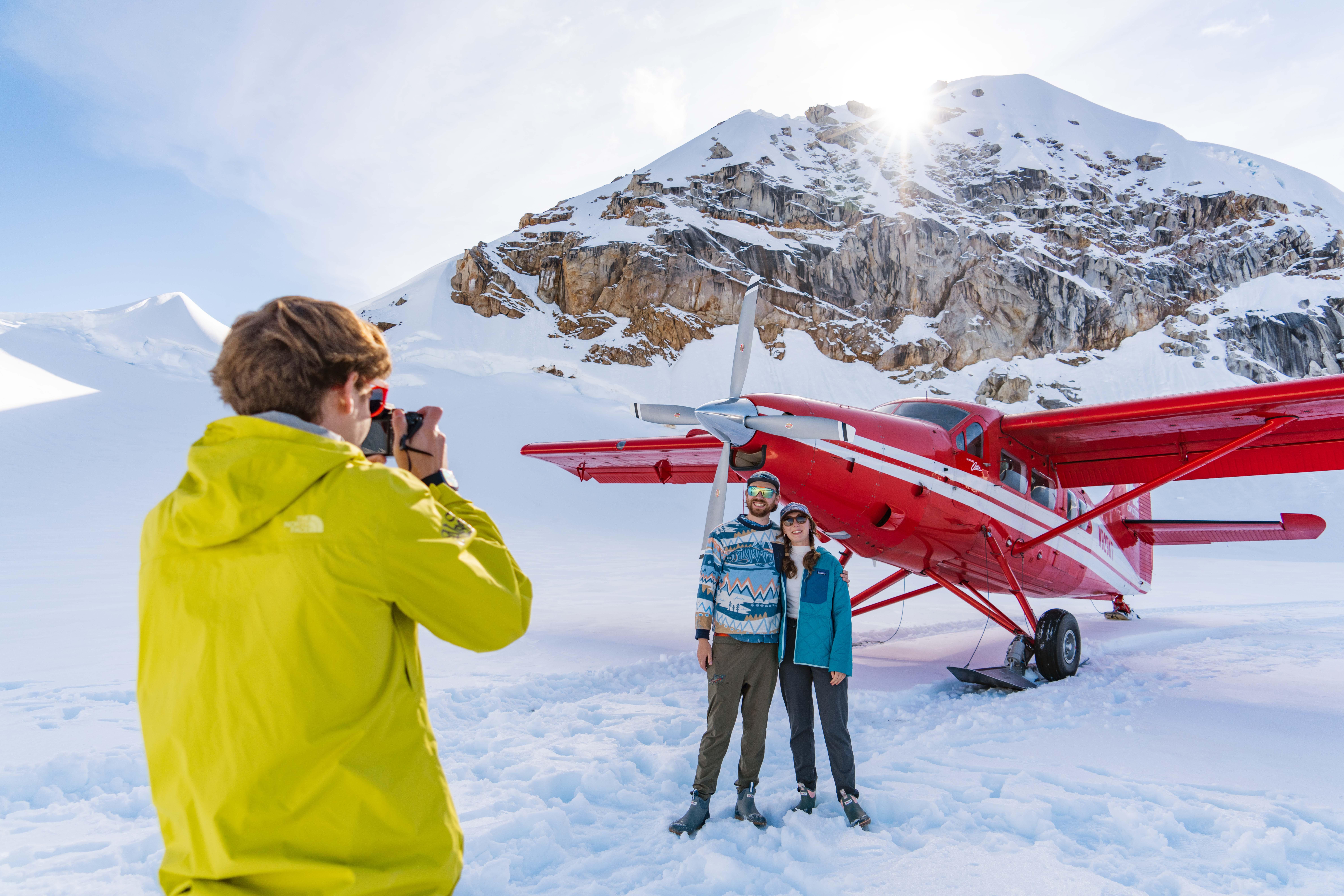
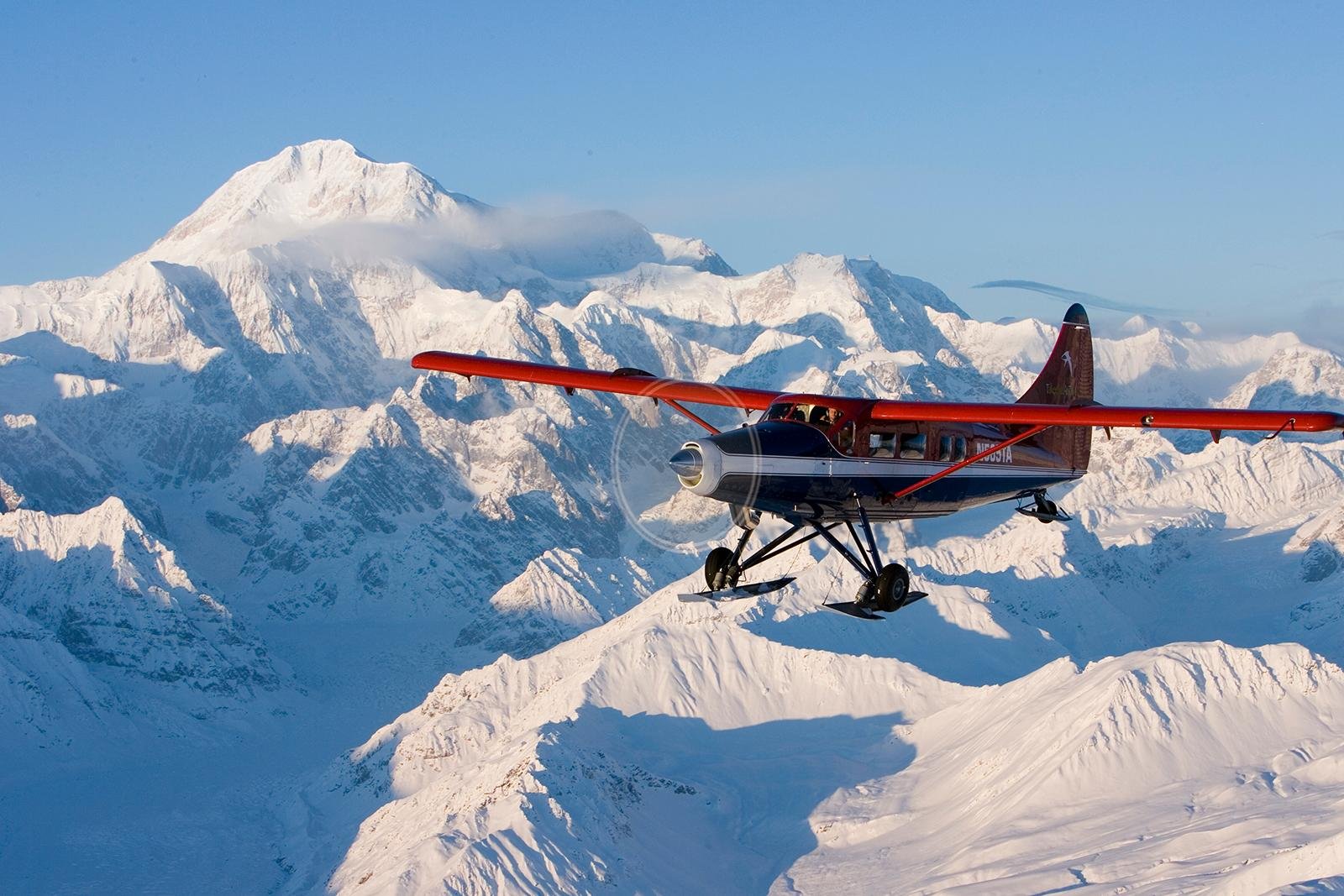
Soar past North America's highest peak and touch down on a pristine glacier in the Alaska Range
1 - 1.5 hours
Free Cancellation
Soar above Denali's southern peaks, icefalls, and glaciers on a scenic flightseeing adventure from Talkeetna
1.5 hours
Free Cancellation
Soar above the Chugach peaks, land on Alaska's vast Knik Glacier, and trek across blue ice formations.
4 hours
Free Cancellation
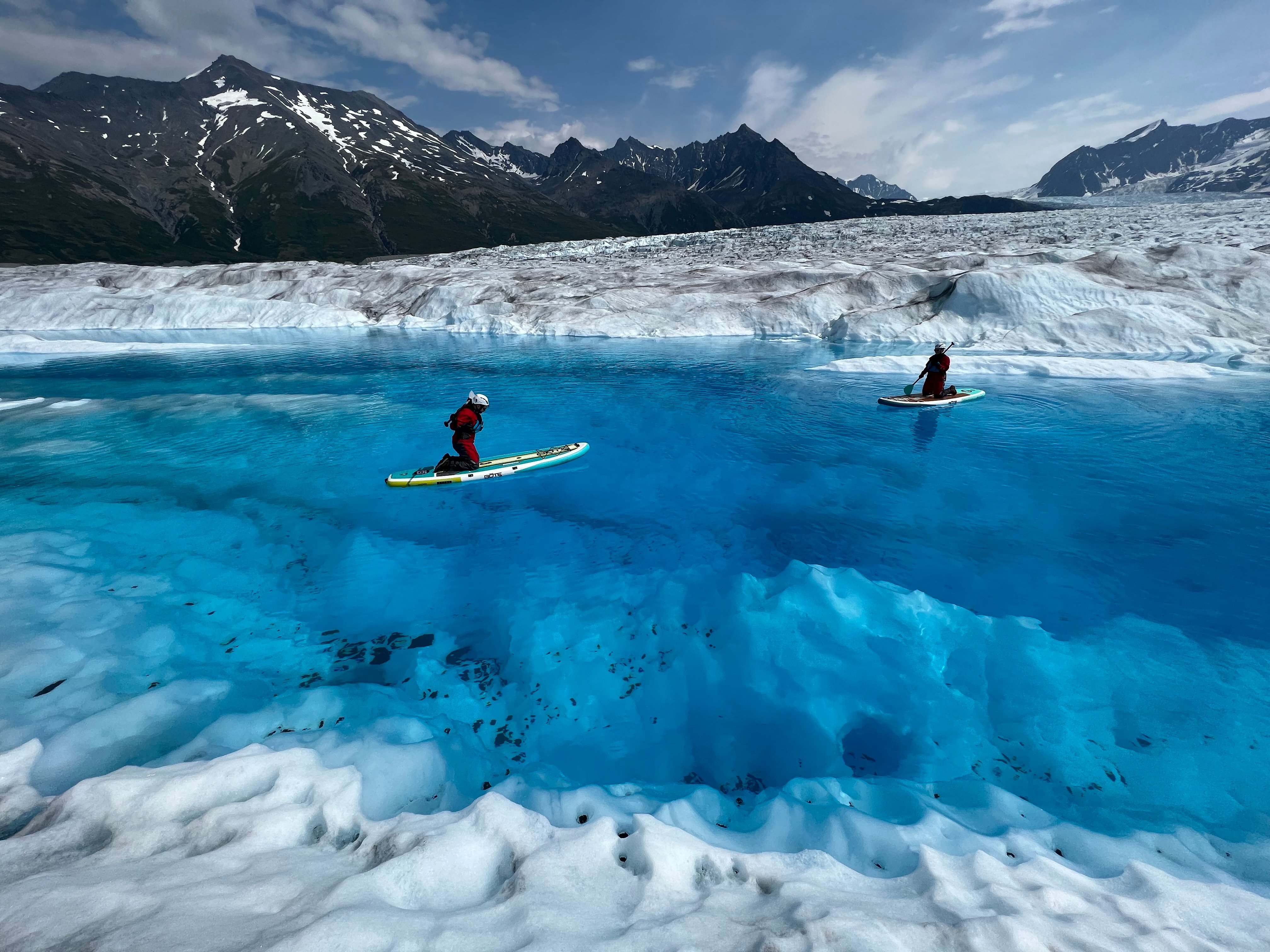
Soar above Alaska's ice fields, plunge into glacial waters, and paddleboard through pristine frozen pools
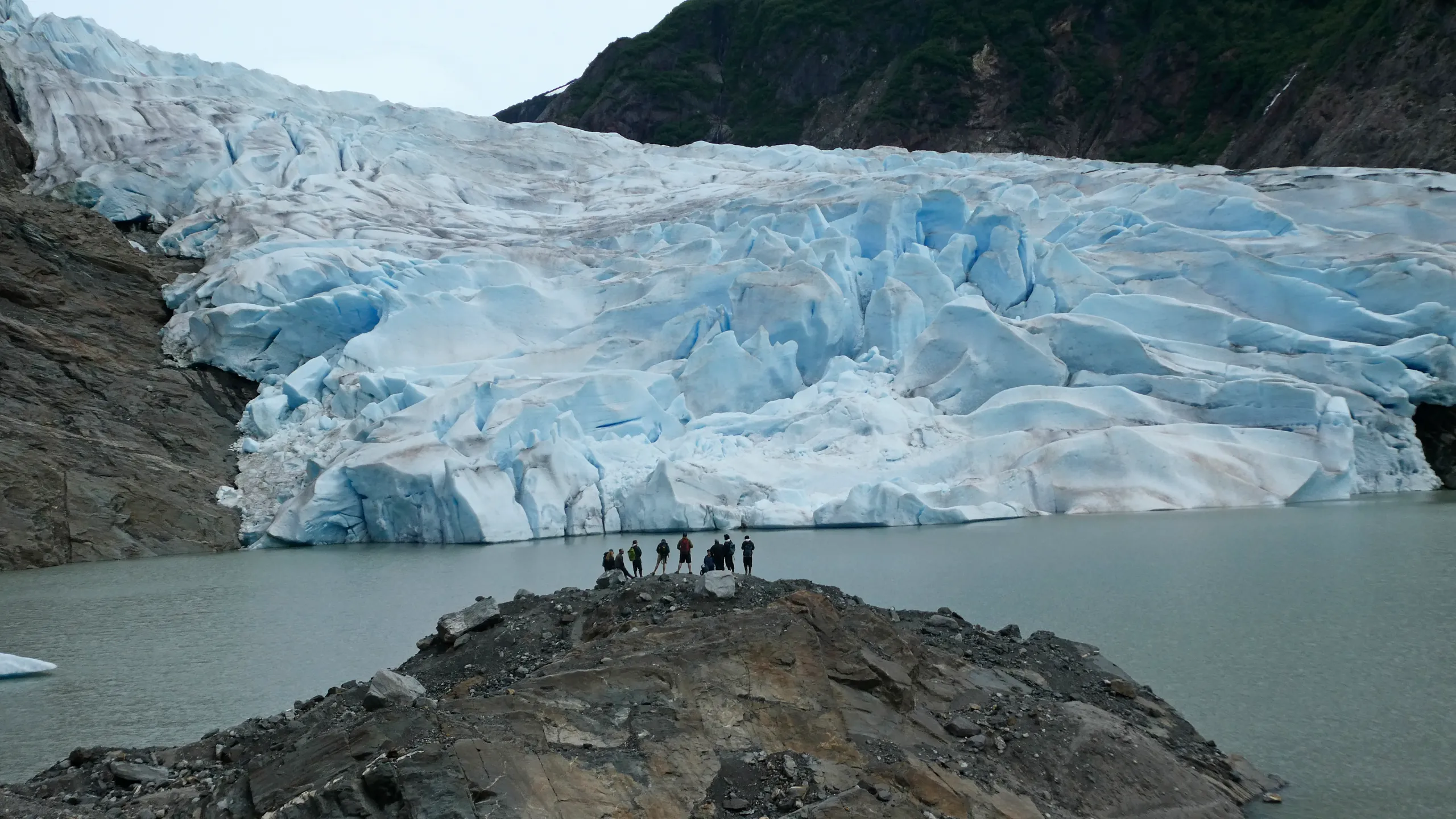
This iconic Juneau landmark features deep blue crevasses and melt pools visible from the air. It serves as a primary destination for many helicopter excursions
Located in the Chugach Mountains, this expansive glacier offers stunning aerial views and unique landing sites in the Great Gorge. It is a National Landmark recognized for its natural beauty
Accessible for both aerial tours and guided trekking, this glacier stretches 27 miles into the mountains. It is a popular site for advanced ice climbing expeditions
Famous for its glacier dogsledding camps, this site provides a rare chance to interact with huskies and mushers in a remote, snowy setting
Recognized as the deepest and thickest temperate glacier in the world, this massive ice field provides a dramatic backdrop for helicopter flightseeing tours.
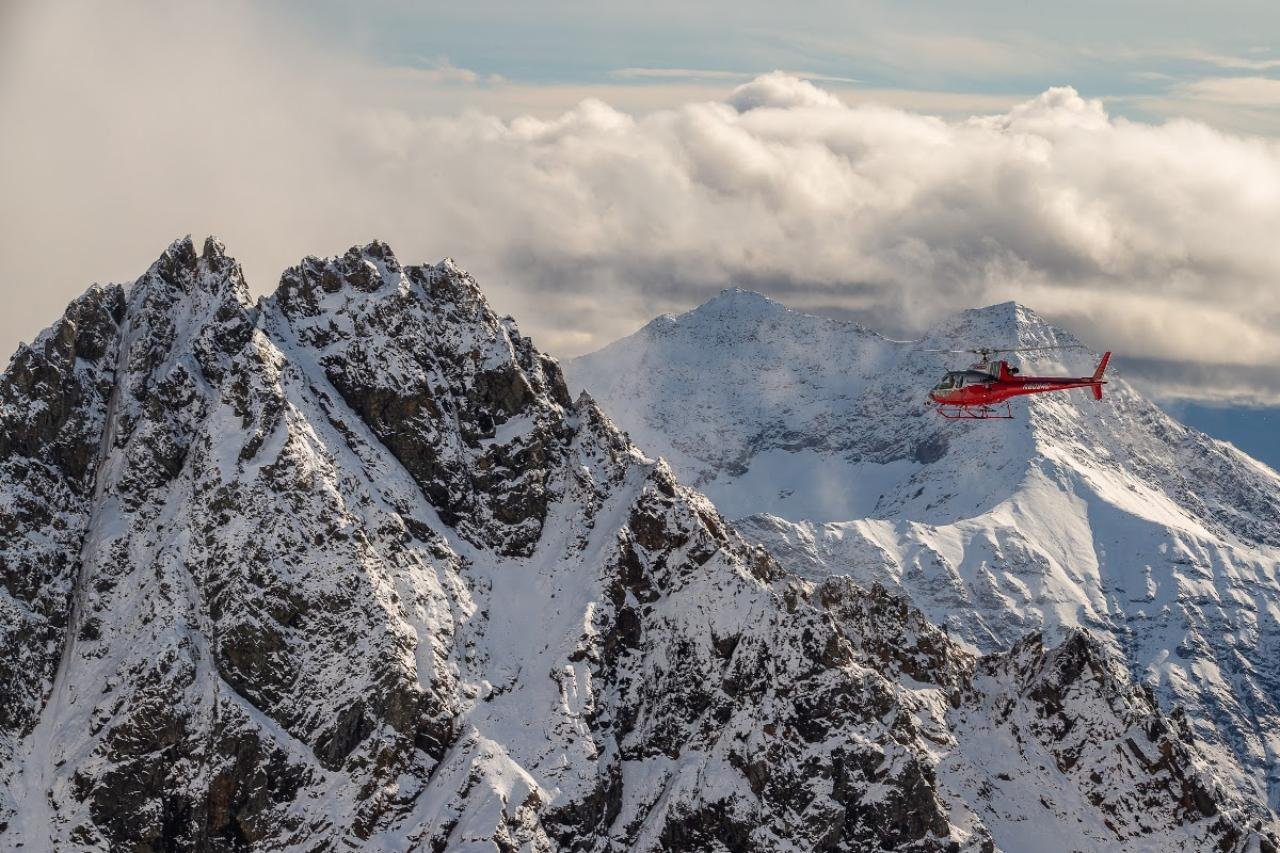
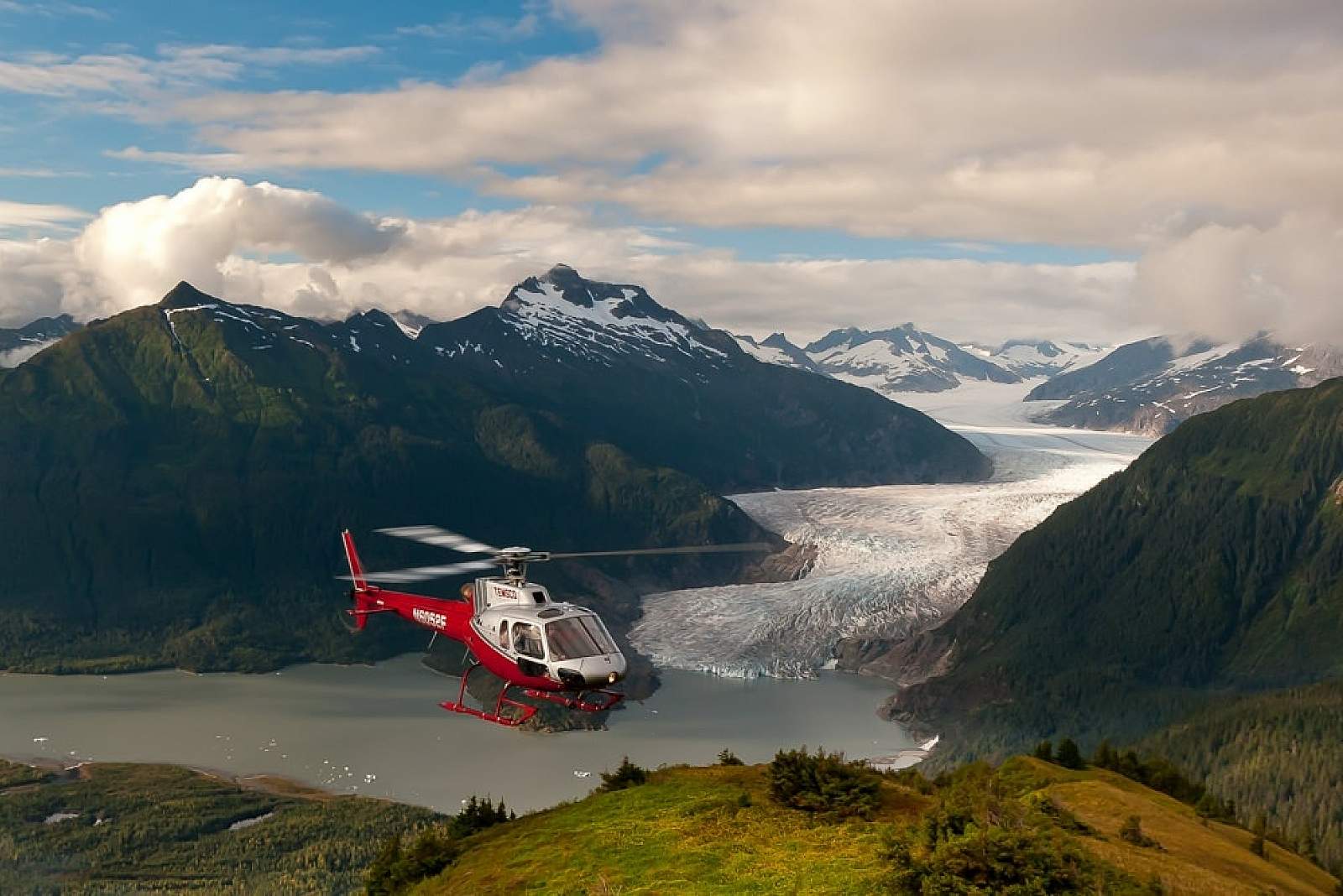
You lift from the heliport at 8:00 AM, the A-Star or Bell 407 climbing steeply as the valley floor drops away. Within four minutes you cross the transition from boreal forest to alpine tundra, and within eight the first ice appears—a thin tongue spilling between granite walls.
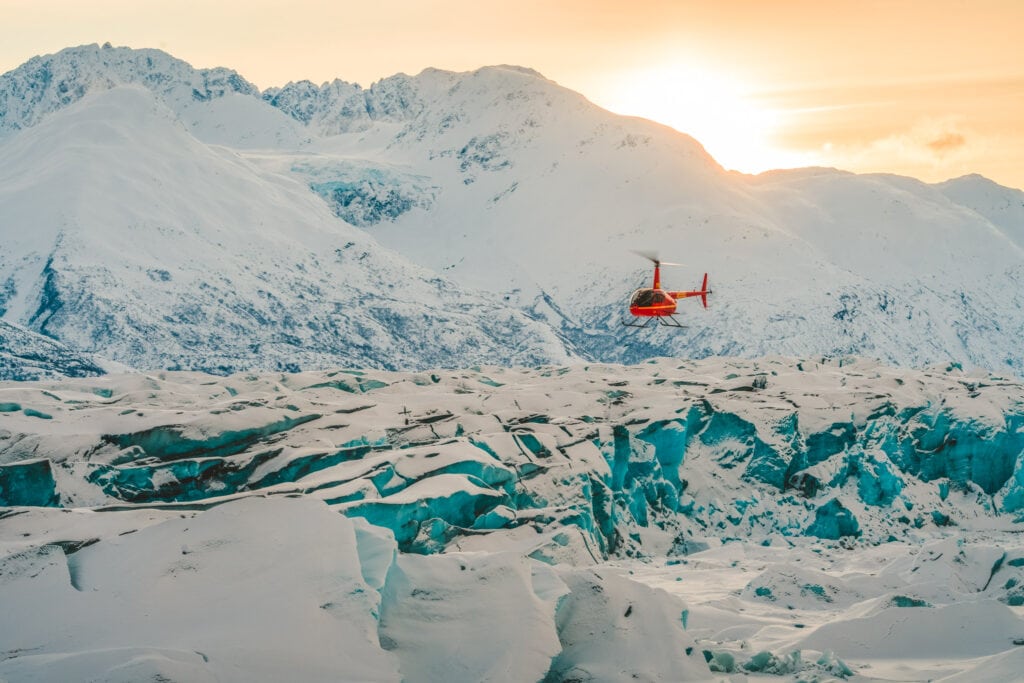
The pilot banks left, following the glacier's center line, and the rotor noise shifts as altitude increases. Seracs rise on both sides, ice towers the height of office buildings, and the crevasse fields below show prussian blue at their deepest points.
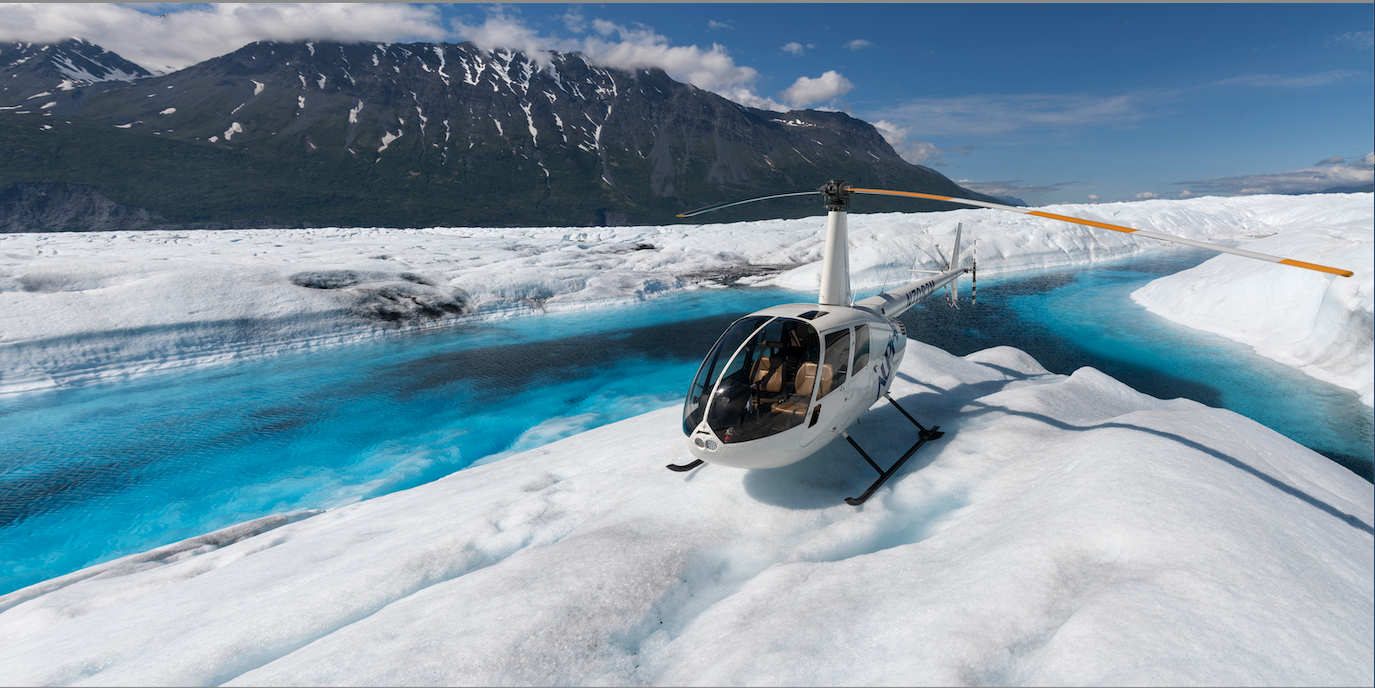
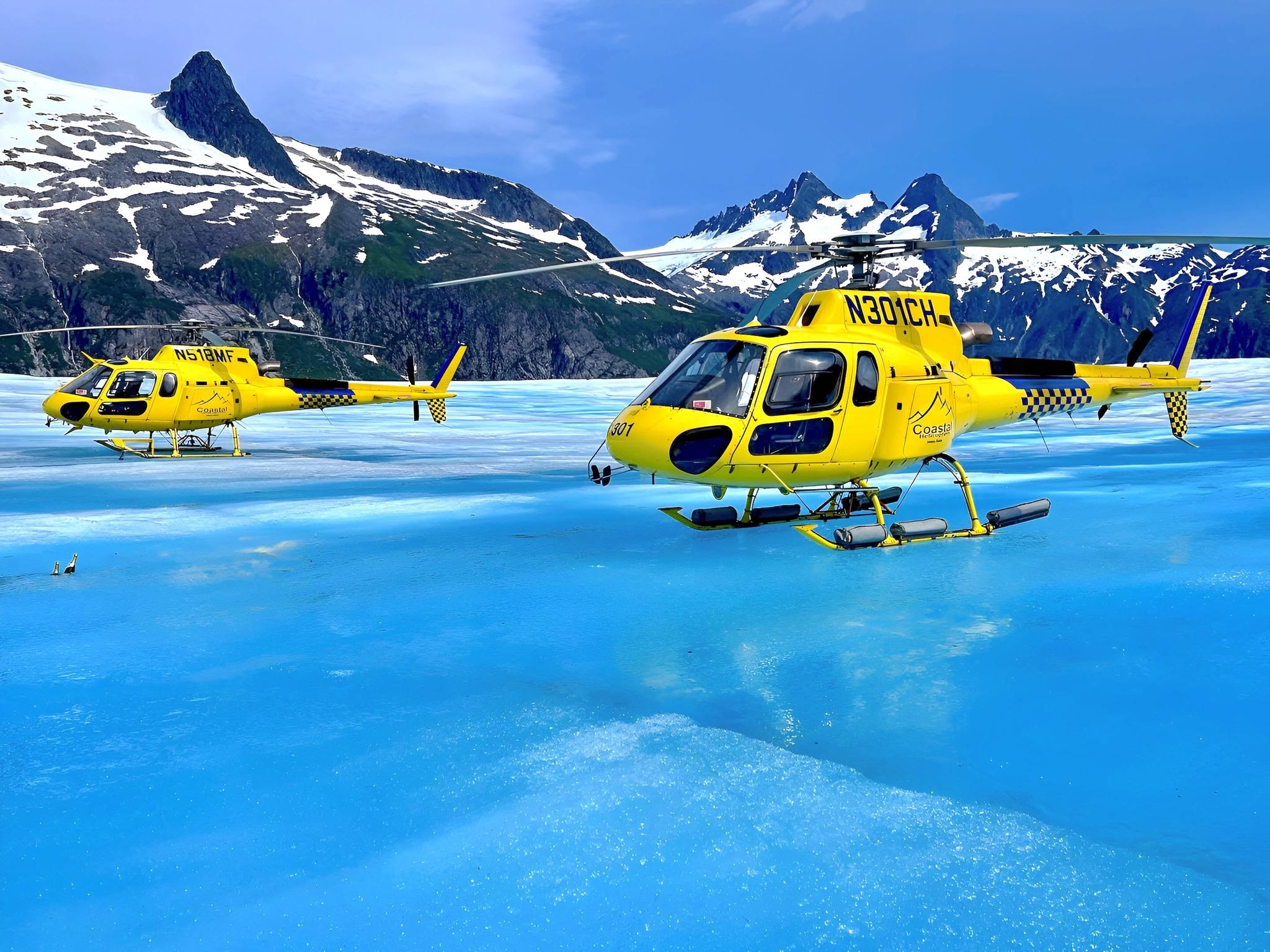
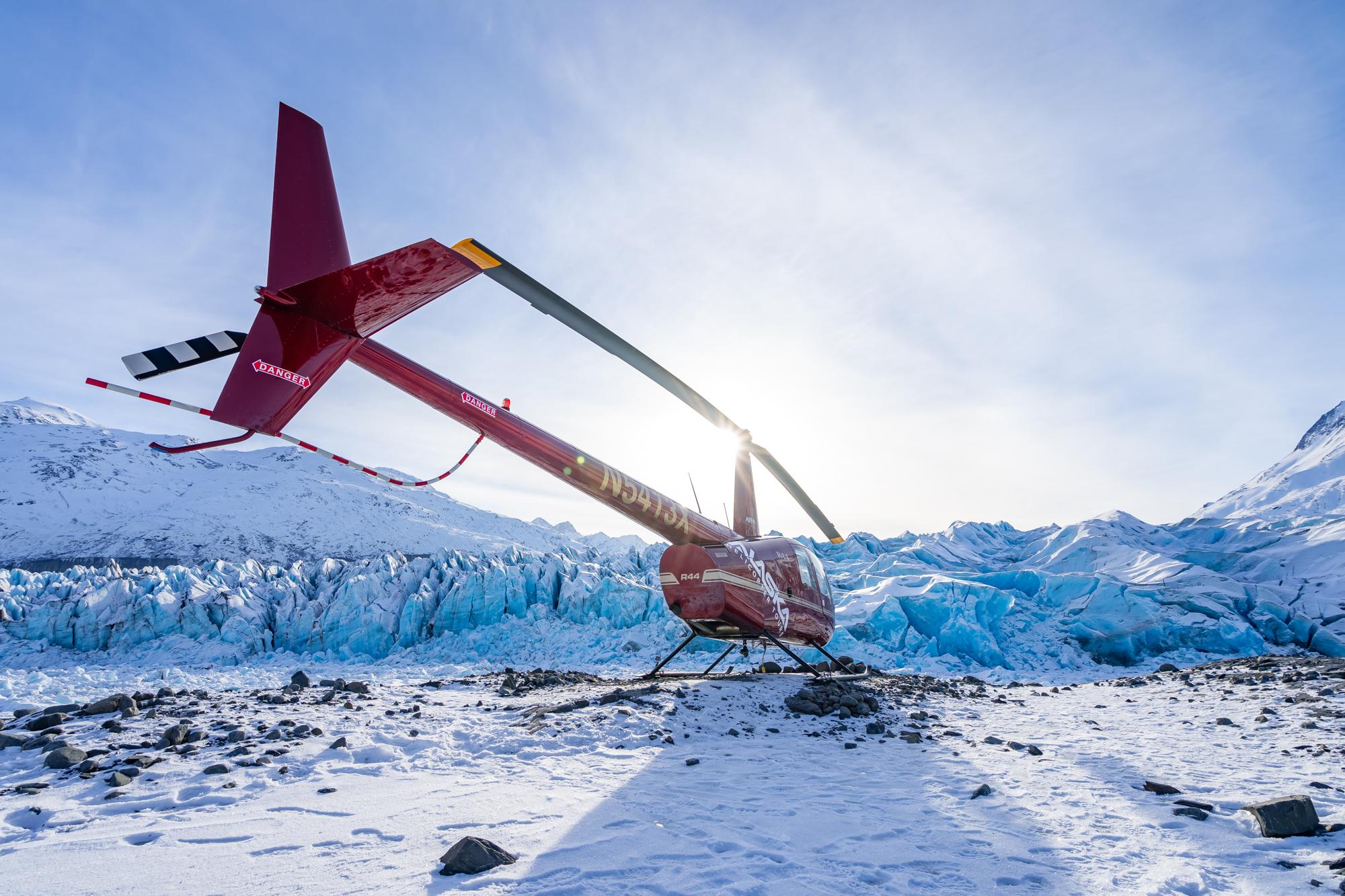
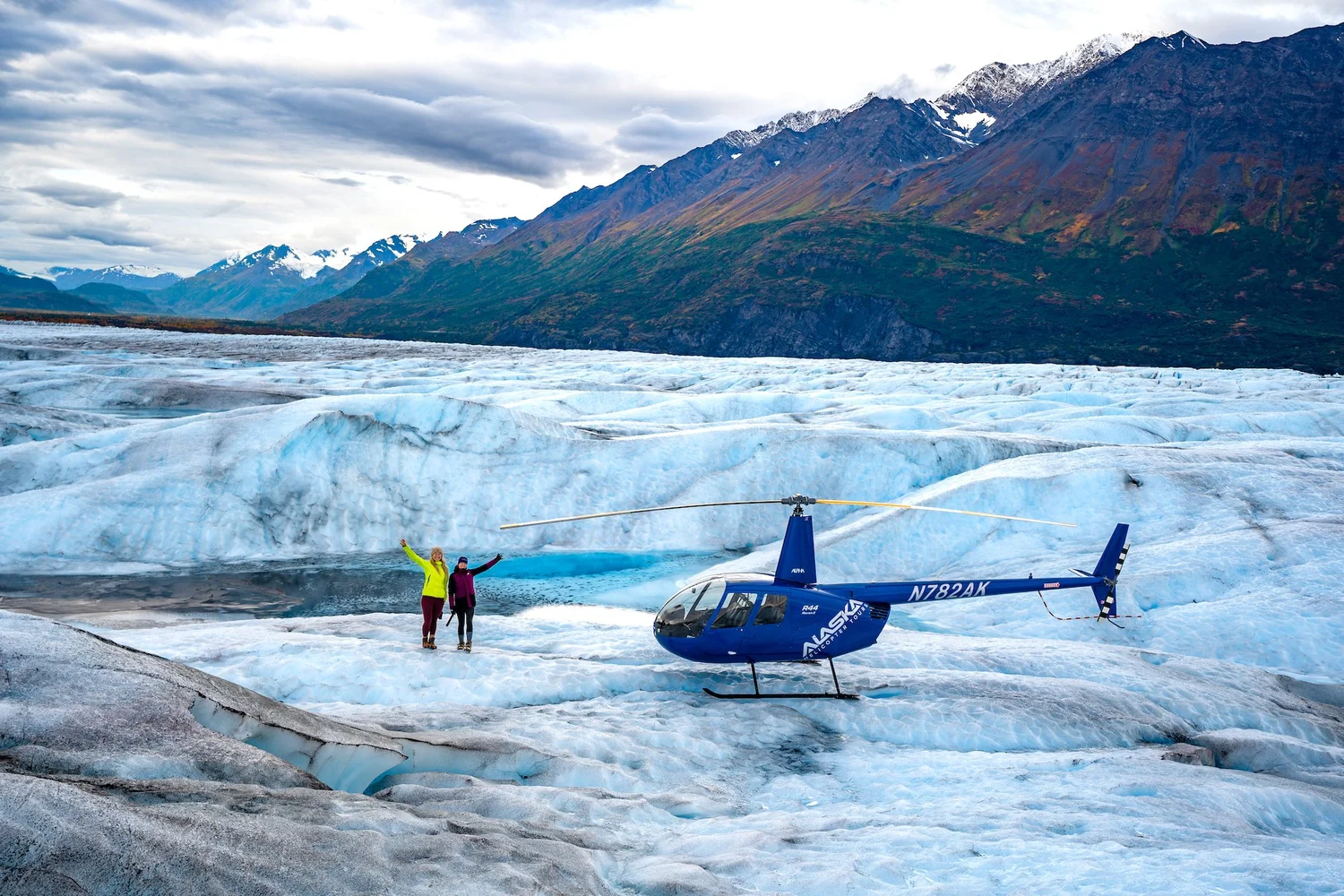
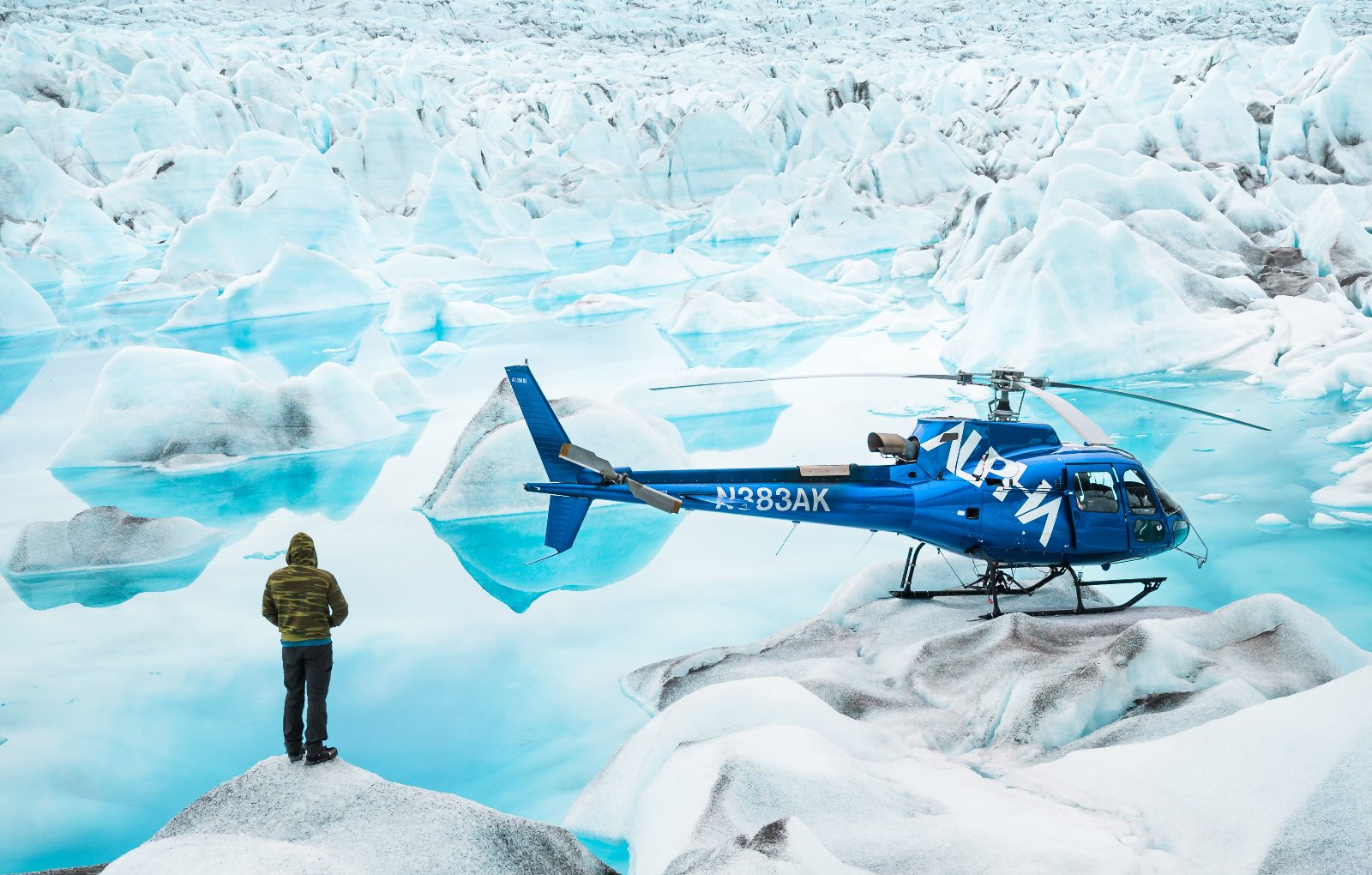
Touchdown occurs on a pre-scouted zone marked by GPS waypoint, the skids settling onto neve with a muffled crunch. Rotors spool down and you step onto ice that compresses slightly underfoot—consolidated snow layered over glacial ice, firm enough to walk on without crampons within the marked perimeter. The silence is immediate. No wind, no distant traffic, only the occasional crack of ice adjusting to thermal stress. You walk 30 yards to a moulin—a vertical meltwater shaft—and peer into blue depth that fades to black. Surface melt has carved shallow channels across the landing zone, and you kneel to touch water that left the atmosphere as snow before you were born. The pilot signals five minutes, then ten. You return to the helicopter, rotors restart, and the ascent begins.
All the details about your upcoming adventure in one place
Alaska's glaciers cover 28,000 square miles—five percent of the state's total landmass, a concentration unmatched anywhere in North America outside the polar regions.
The ice fields that feed these rivers of blue ice began forming during the Pleistocene, and the oldest strata now exposed at the surface contain air bubbles trapped more than 10,000 years ago. An Alaska helicopter tour to glacier terrain unlocks access to ice fields that remain unreachable by road or trail, and the landings themselves—rotors cutting power on neve older than human agriculture—represent one of the few commercial aviation permissions granted within designated wilderness corridors.
The Juneau Icefield sprawls across 1,500 square miles of the Coast Range, feeding 38 named glaciers including Mendenhall, whose terminus lies 12 miles from downtown Juneau. Farther north, the Knik Glacier stretches 25 miles from its source in the Chugach Mountains, its surface fractured into seracs and crevasse fields that shift daily. Denali's Ruth Glacier, flanked by the 5,000-foot granite walls of the Great Gorge, descends from the Alaska Range at an average grade steep enough to generate icefalls visible from fixed-wing survey flights. These are the primary staging grounds for glacier landing helicopter tours, each selected for a combination of visual drama, stable landing zones, and proximity to heliports licensed for commercial glacier operations.
Helicopter access evolved from bush-pilot tradition and geologic survey work in the 1970s, when turbine reliability finally matched the demands of high-altitude operations over crevassed terrain. Modern glacier landing tours operate under Federal Aviation Administration waivers that permit touchdown on public land within national forests and preserves, provided the operator holds both Part 135 air-carrier certification and a special-use permit from the managing agency. The result is a tightly regulated fleet—fewer than a dozen operators hold active glacier-landing permits statewide—and a booking window that favors advance reservation during the May-to-September season when ice stability and weather overlap.
Landing itself requires stable neve—consolidated snow that has survived at least one melt season—and pilots select zones based on real-time crevasse mapping and depth-sounding reports updated each morning. The ice underfoot is typically between 200 and 800 feet thick, though depth varies with position on the glacier. Surface melt creates transient streams and moulins during summer months, and the chromatic effect—cobalt blues refracting through compacted ice—intensifies under midday sun, when light penetration reaches maximum depth.
The ice underfoot is typically between 200 and 800 feet thick, and the chromatic effect intensifies under midday sun when light penetration reaches maximum depth.
Dress in warm, moisture-wicking layers including a waterproof outer shell, gloves, and a hat. Sturdy, comfortable shoes are required for glacier landing excursions.
Strict no-bag policies apply to all flights; lock boxes are available at bases. All passengers are weighed at check-in per aviation safety regulations.
Cameras and binoculars are allowed if worn around the neck or kept in pockets. GoPro sticks, drones, and tablets are strictly prohibited.
Children under 24 months may fly as lap children at no extra cost, though specific operator policies vary. All passengers, regardless of age, must be included in the booking headcount.
Requires ability to climb into the helicopter; please notify the operator of mobility needs in advance. Glacial terrain is uneven and may not be suitable for all fitness levels.
Food and beverages, including water bottles, are generally prohibited inside the aircraft. Consumables should be left in secure storage at the heliport base.
Operating Hours
08:00–20:00
Address
Various locations across Alaska including Juneau, Talkeetna, and Anchorage heliports.
Accessibility
Varies by operator; please confirm mobility requirements when booking.
Best arrival window
08:00–10:00
Storage
Secure lockers provided at heliports for personal items.
Meeting points
Typically downtown cruise terminals or specific operator hangars.
Full refunds are typically available for cancellations made at least 7 days prior to departure. No entrance fee applies as these are all-inclusive tour packages.
Recommended time
2.5 hours
An alaska helicopter tour to glacier typically lasts between one and 2.5 hours, covering ground transportation, safety briefings, and the flight to the icefield. Choosing an alaska helicopter tour to glacier tour early in the day helps mitigate potential weather delays often seen in mountainous terrain. When booking alaska helicopter tour to glacier tickets, allocate extra time for check-in procedures and mandatory gear fitting before boarding your aircraft.
Crowd levels through the day
Alaska helicopter tour to glacier operations emerged in the late 1950s when military surplus helicopters from the Korean War became available to civilian pilots. In 1957, Don Sheldon pioneered the first glacier landings near Mount McKinley (now Denali), ferrying climbers onto the Ruth Glacier using a Piper Super Cub fitted with skis. By 1965, Sheldon had acquired a Bell 47 helicopter and began offering scenic overflights, though true commercial glacier landing tours remained rare until the 1970s. The Juneau Icefield became the first major tourist destination in 1971 when Temsco Helicopters launched scheduled landings on the Mendenhall Glacier, capitalizing on cruise ship arrivals. The industry nearly collapsed in 1980 after a Bell 206 crash on the Knik Glacier killed four tourists, prompting the FAA to impose strict weight-and-balance regulations and mandatory survival gear requirements. Alaska helicopter tours rebounded through the 1990s as operators adopted twin-engine models and GPS navigation. The Matanuska Glacier and Colony Glacier near Palmer opened to commercial landings in 1998, while Talkeetna became the gateway for Denali glacier landings by 2003. Mendenhall Glacier access faced restrictions in 2015 when the U.S. Forest Service capped daily helicopter landings at 60 to protect nesting bald eagles. Climate change accelerated glacier recession; the Mendenhall Glacier retreated 600 meters between 2005 and 2025, forcing operators to adjust landing zones annually. By 2026, alaska helicopter tour to glacier tickets account for over 40 percent of Alaska's adventure tourism revenue, with Juneau, Talkeetna, and Seward serving as the primary departure points for flights over the Juneau Icefield, Ruth Glacier, and Harding Icefield respectively.
Don Sheldon conducts first glacier landings near Mount McKinley using fixed-wing aircraft with skis.
Temsco Helicopters launches Juneau Icefield tours, establishing commercial glacier landing operations.
Fatal Knik Glacier crash prompts FAA to mandate stricter safety protocols for helicopter glacier tours.
Matanuska and Colony Glaciers open to commercial helicopter landings near Palmer.
U.S. Forest Service limits Mendenhall Glacier helicopter landings to 60 flights daily for wildlife protection.
Mendenhall Glacier retreats 600 meters, requiring annual adjustments to helicopter landing zones.
Stand on the stabilized ice shelves to capture deep blue crevasses and surrounding mountain peaks. Use a fast shutter speed to compensate for light reflection off the ice.
This spot provides expansive shots of frozen rivers and jagged ridges from the ground level. Position yourself near the landing zone to capture the scale of the ice mass during your alaska helicopter tour to glacier.
Capture high-altitude perspectives of rugged coastal ranges and temperate rainforests below. Keep your lens close to the window to minimize glare and vibration when utilizing alaska helicopter tour to glacier tours.
This location offers wide-angle opportunities to document the vast scale of massive ice formations. Ensure your camera strap is secure while exiting the aircraft for these alaska helicopter tour to glacier tour opportunities.
Planning an alaska helicopter tour to glacier requires careful preparation, as the remote environment and aviation logistics demand focus when traveling with young explorers. These excursions offer a unique perspective on ice fields, though parents should prioritize comfort and safety standards for their children.
Most operators require children to be at least two years old for an alaska helicopter tour to glacier tours, and some may require a dedicated seat purchase. Confirm specific weight and age limits with your provider prior to booking your alaska helicopter tour to glacier tickets.
Expect uneven, icy surfaces that require sturdy footwear; ensure children are capable of walking on slippery ground or can be carried securely. You will receive specialized overshoes to wear during your alaska helicopter tour to glacier tour, so verify that your child can accommodate this extra equipment.
Helicopter cabins are loud environments, so bring child-sized noise-canceling headphones to protect sensitive ears during flight. Prepare your children for the noise levels by explaining the experience in advance to ensure they remain calm during takeoff and landing.
Heliports are industrial sites with limited amenities, so confirm access to changing tables or quiet spaces at your chosen departure point. Since there is 0 USD entrance fee and costs only apply to packages, focus your budget on selecting a reputable operator that provides necessary safety gear for minors.
Heliports are typically industrial zones, meaning you should plan to dine before or after your alaska helicopter tour to glacier. While limited on-site dining exists, visitors often grab a meal in nearby towns like Juneau or Talkeetna after their flight.
Located on the waterfront, this spot is ideal for post-flight seafood and burgers. It provides a relaxed setting to discuss your Alaska glacier landing tour experience.
Everything you need to know for your journey
Helicopter operations generally run daily from 08:00–20:00.
No, carry-on bags are prohibited on all flights, but secure storage is available at the heliport.
Dress in warm, layered clothing with a waterproof shell and sturdy shoes, as glacier temperatures are significantly cooler than in town.
Yes, children are welcome, though those under 24 months must fly as lap children and parents should consult the specific operator.
No, animals of any kind, including service animals, are strictly prohibited on these flights due to safety and emergency exit requirements.
Total excursion times vary, typically ranging from 2 to 4 hours including transfers, safety briefings, and flight time.
The best arrival window is 08:00–10:00 to take advantage of clearer morning skies and calmer winds.
There is 0 USD entrance fee; costs apply only to booked helicopter tour packages.
Yes, operators provide necessary safety equipment including traction overboots and crampons for glacier landings.
Yes, cameras are permitted provided they are worn around the neck or kept in pockets without accessories like selfie sticks.
Join thousands of happy travelers who have discovered this incredible experience
Book Your Experience Now